
Current Status of the U.S.-Israel-Iran Conflict
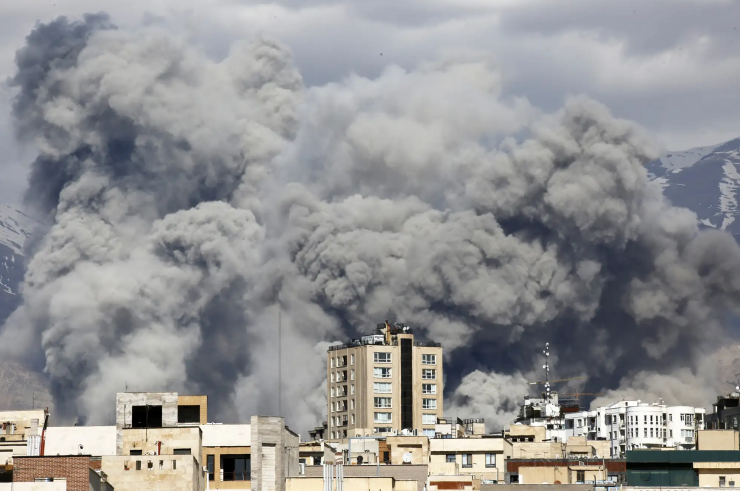
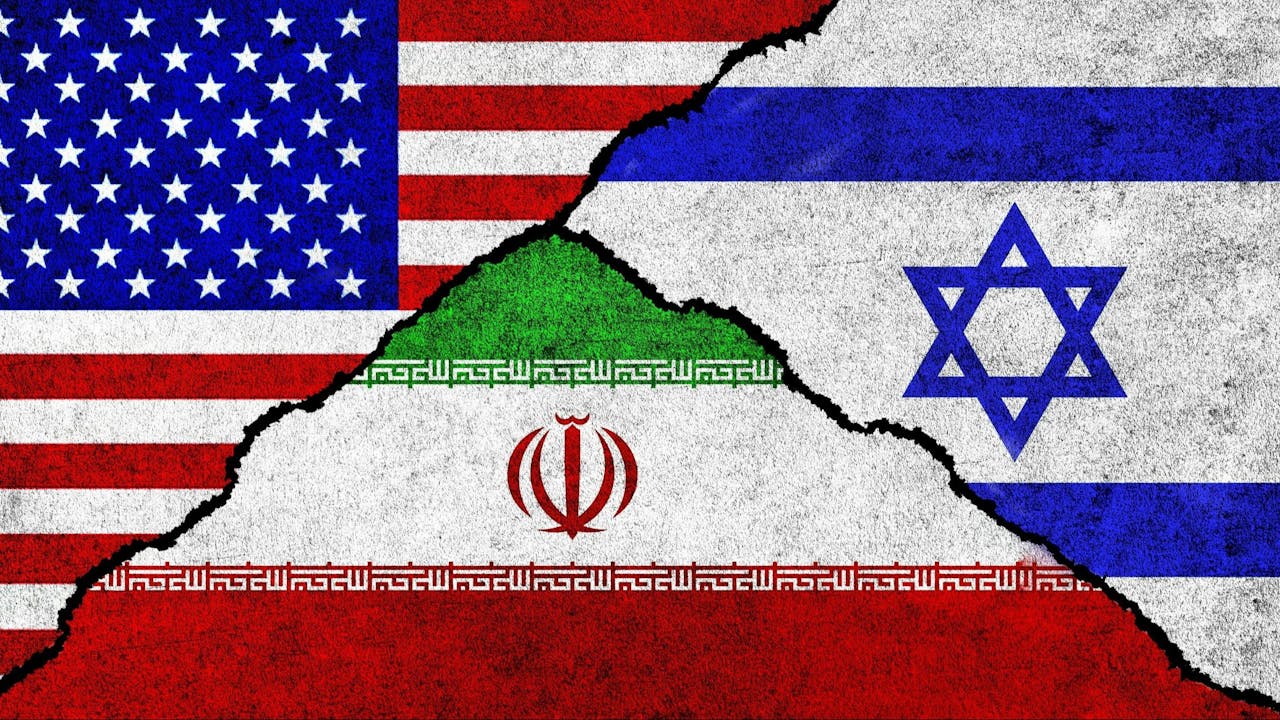
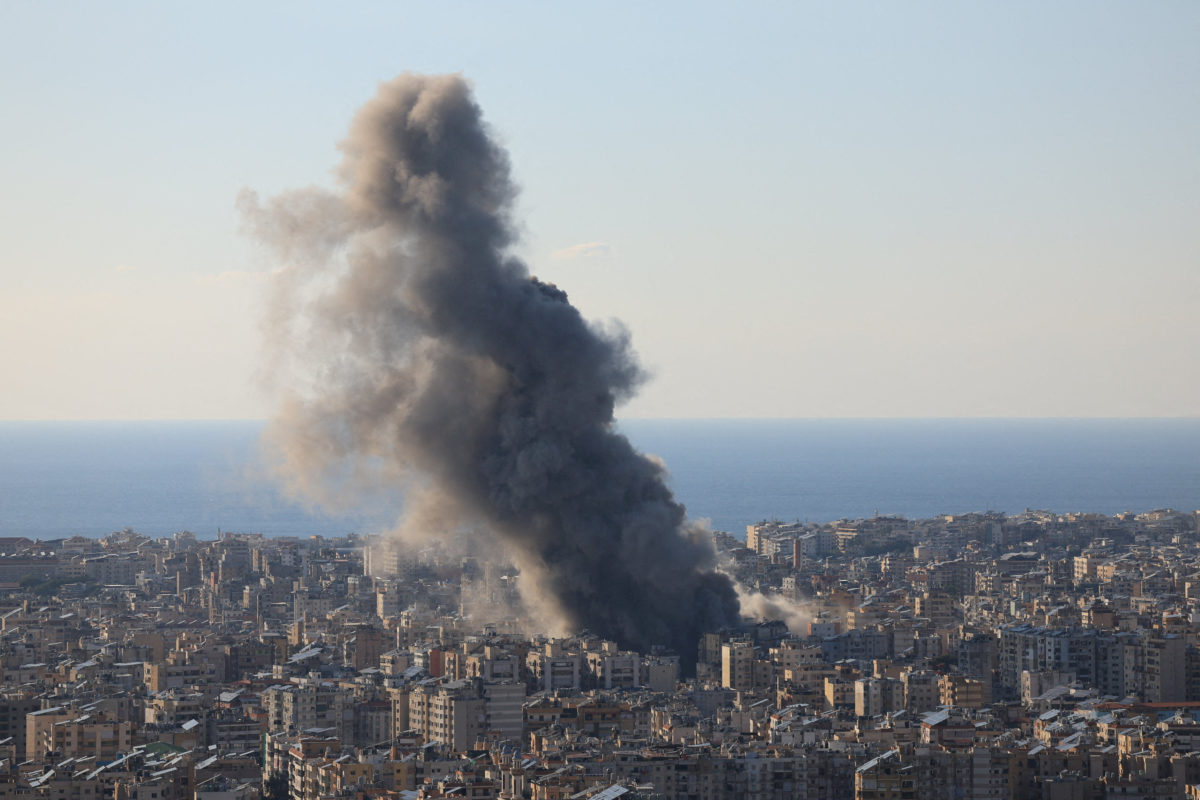
On February 28, 2026, the United States and Israel launched large-scale military strikes on Iran, marking the outbreak of full-scale conflict among the three nations. The conflict has continued for several days, spreading from Iran to Lebanon, the Gulf region, and neighboring countries, causing hundreds to thousands of casualties and creating a highly tense security situation. Iran has carried out multiple counterattacks targeting sites in Israel, U.S. military bases, and facilities in several Gulf countries. Syria and Lebanon have also been drawn into the escalating hostilities, with no immediate signs of de-escalation.
Global Impact of the Conflict
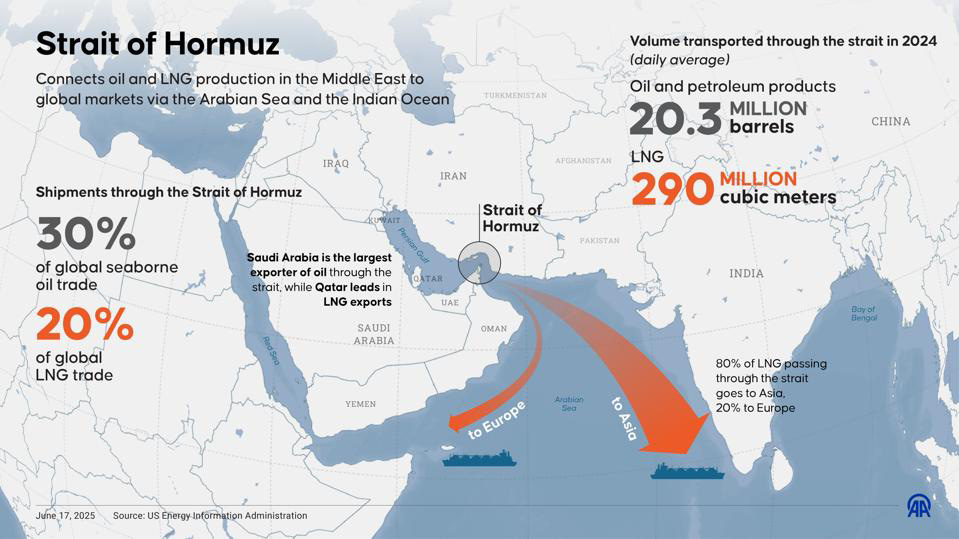
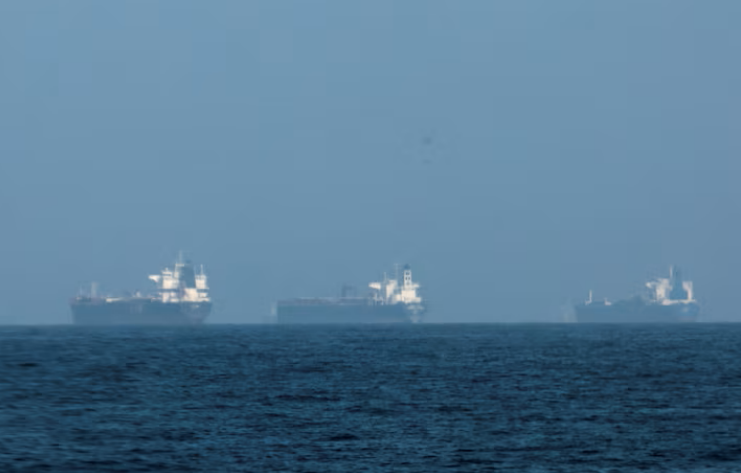
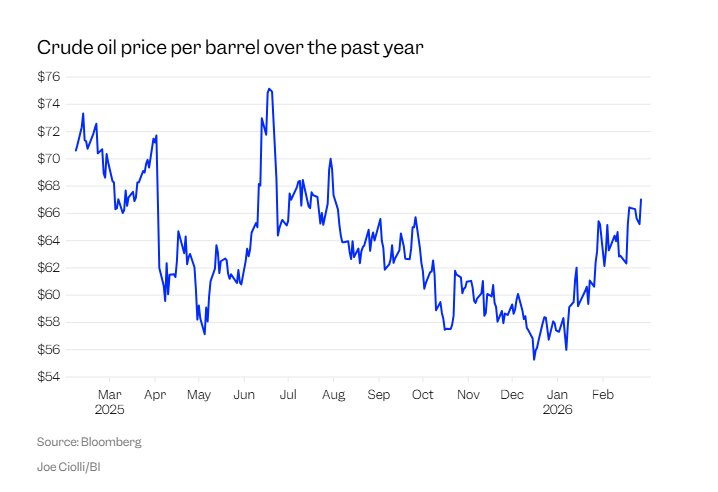
The conflict has not only reshaped security in the Middle East but also deeply affected the global economy and international relations. Navigation through the strategic Strait of Hormuz, a major global energy transit route, is threatened, leading to a sharp rise in global oil and gas prices and shaking energy markets worldwide. Major economies, including India and the European Union, face energy shortages and inflationary pressures, while global logistics, shipping, and aviation are also disrupted. Governments have issued travel warnings and evacuation guidance, and diplomatic relations have become more complex due to differing stances. Global supply chains are under pressure, with many industries experiencing increased instability.
Industry and Company Response
In response to these global disruptions, manufacturing and supply companies like ours face immediate challenges, primarily rising raw material costs and supply instability. In particular, OPP and PE packaging films face production constraints, logistics delays, and significant price fluctuations, which puts pressure on the global supply chain and inevitably affects our procurement costs and delivery schedules.
To ensure supply stability as much as possible, our supply chain team has implemented multiple measures, including expanding alternative sources of raw materials, optimizing inventory strategies, securing supply contracts in advance, and flexibly adjusting production plans. We also maintain transparent communication with our customers, providing timely updates on the supply status and any necessary adjustments. While challenges remain, we are confident that through proactive management and strategic measures, we can minimize risks and ensure supply stability as much as possible.
Fortunately, safe in China’s peaceful environment, we are spared from the direct impact of war. We honor the sacrifices of those who came before and feel for all civilians suffering in the conflict. Regardless of nationality or belief, our heartfelt wish is simple—peace for the world, and an end to the fighting as soon as possible.