

Adhesive Tapes Vary Widely in Performance—How to Select the Right Type for Your Application?
The performance of an adhesive tape is largely determined by its core component—the adhesive. Different adhesive technologies vary significantly in terms of initial tack, holding power, temperature resistance, and environmental adaptability, directly influencing the tape’s application suitability and service life.
This article explores the characteristics of the three most commonly used adhesive systems—water-based, rubber-based, and hot-melt adhesives—to help businesses select the right tape for their specific applications.
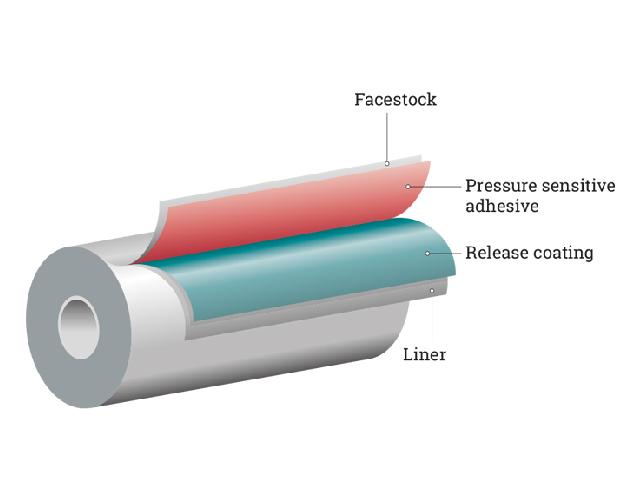
I. Understanding Key Performance Indicators
Initial Tack
Initial tack refers to the bonding strength developed immediately when the tape comes into contact with the substrate. It reflects the tape’s ability to provide instant adhesion and is particularly important in applications requiring quick positioning or immediate fixation.
Holding Power
Holding power is the tape’s ability to resist slippage or detachment under continuous load over time. It indicates the long-term stability and durability of the adhesive bond.
In many cases, initial tack and holding power have an inverse relationship—an adhesive with extremely high initial tack may not necessarily offer the best long-term holding performance.
II. Comparing the Three Main Adhesive Technologies
1. Water-Based Adhesives
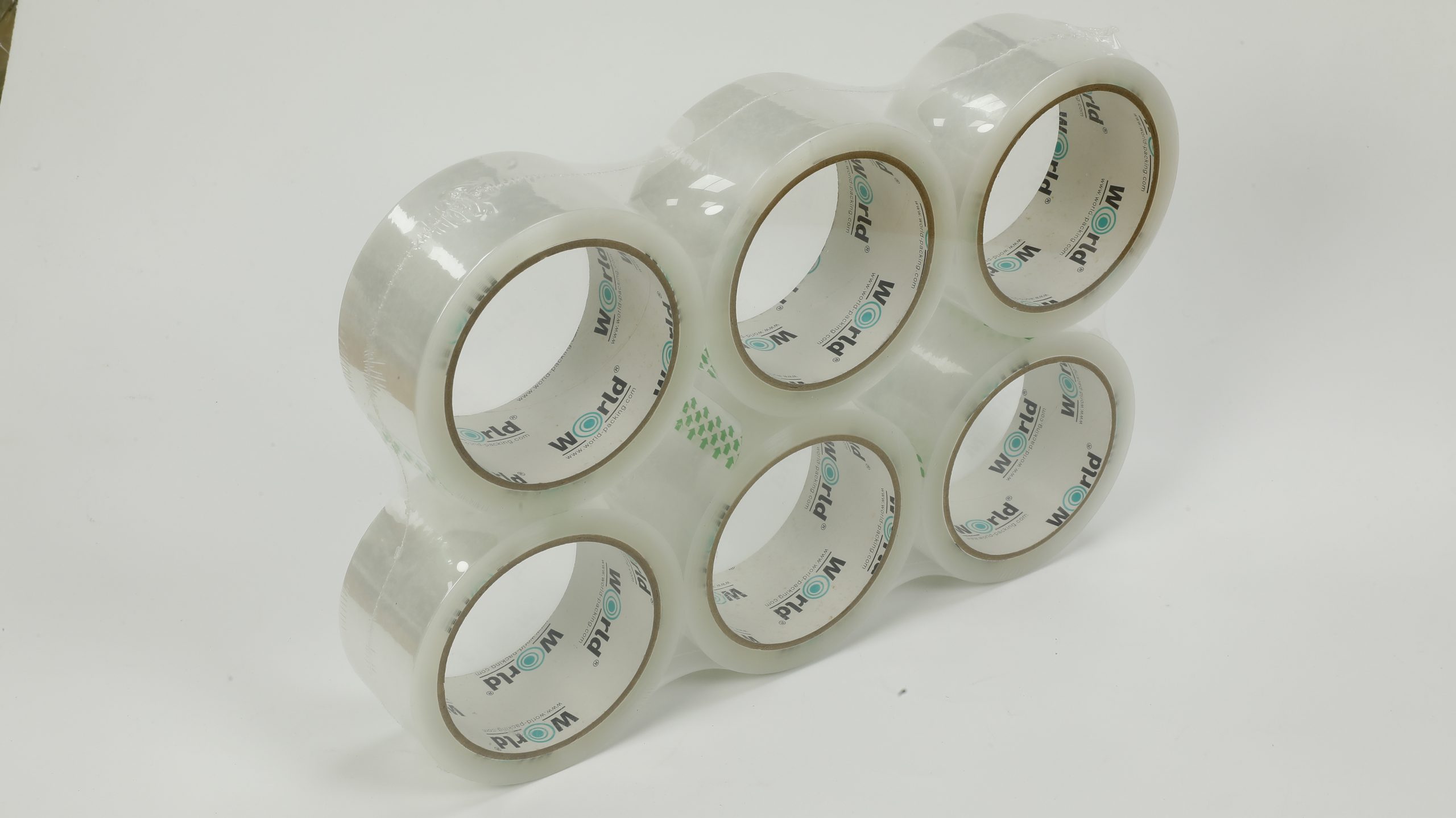
Advantages
- Excellent weather and UV resistance, maintaining stable performance without yellowing or aging during prolonged outdoor exposure.
- High transparency, making them ideal for applications where appearance matters, such as clear packaging.
- Strong chemical stability, offering resistance to moisture and oxidation.
- Cost-effective and suitable for a wide range of general-purpose applications.
Limitations
- Relatively low initial tack, often requiring pressure and a short dwell time to achieve optimal adhesion.
Typical Applications
Ideal for applications requiring durability, environmental friendliness, and a clean appearance, such as BOPP packaging tapes.
Operating Temperature Range
- Maximum: 60°C–80°C
- Minimum: –10°C to –20°C
2. Rubber-Based Adhesives
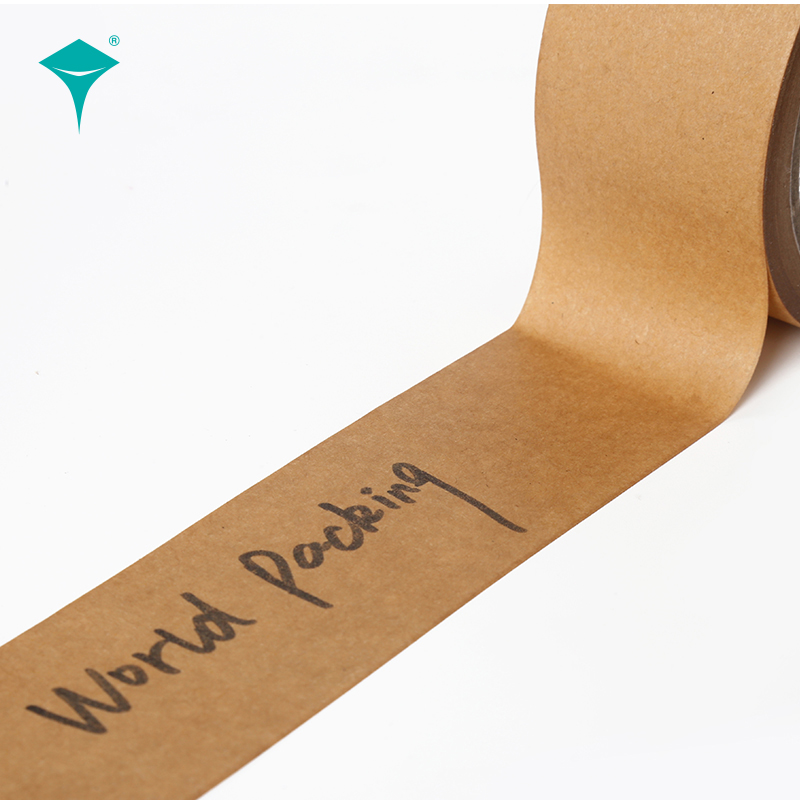
Advantages
- Extremely high initial tack, bonding instantly with minimal pressure.
- Excellent adhesion to rough and porous surfaces, including corrugated cartons, wood, and textured walls.
Limitations
- Limited weather resistance and a tendency to age when exposed to sunlight, heat, and oxidation for extended periods, potentially resulting in adhesive bleed or reduced tack.
- Some formulations may retain a slight odor, limiting their suitability for certain environments.
- Generally more expensive than water-based adhesive systems.
Typical Applications
Widely used in short-term applications that require immediate adhesion, such as masking tapes, PVC warning tapes, and kraft paper tapes.
Operating Temperature Range
- Maximum: 60°C–80°C
- Minimum: 0°C–5°C
3. Hot-Melt Adhesives
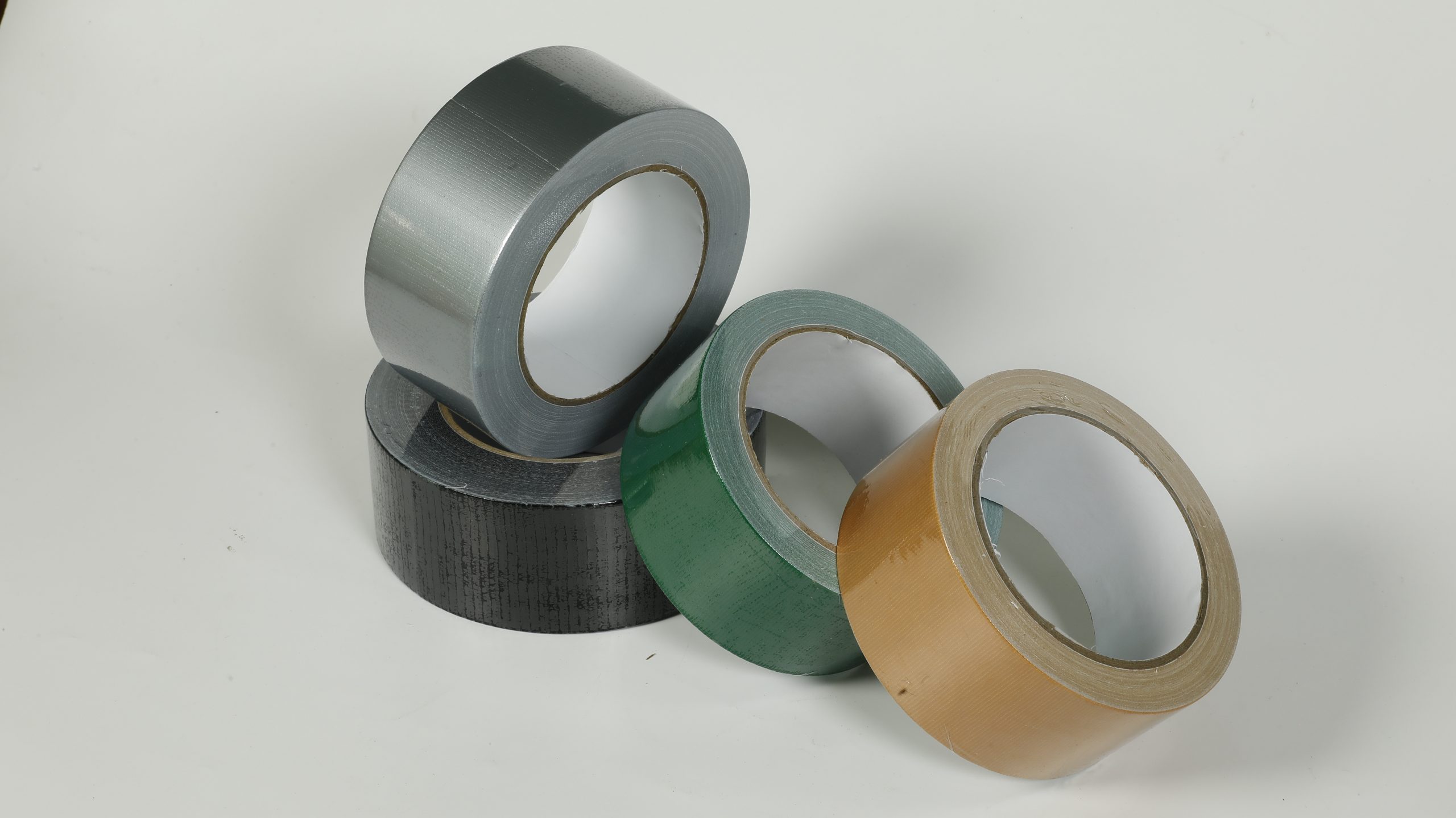
Advantages
- Rapid curing speed and strong bond formation, delivering excellent initial tack and cohesive strength.
- Outstanding performance on rough and porous substrates by penetrating surface irregularities.
- Solvent-free and environmentally friendly, offering improved safety during manufacturing and use.
Limitations
- Moderate heat resistance, with performance potentially declining under prolonged high-temperature exposure or direct sunlight.
- Slightly weaker adhesion to smooth surfaces and may require additional surface treatment or application methods.
Typical Applications
Suitable for demanding applications such as cloth tapes and filament tapes used in heavy-duty packaging, bundling, reinforcement, and industrial fixing.
Operating Temperature Range
- Maximum: 60°C–80°C
- Minimum: –10°C–0°C
III. How to Select the Right Adhesive
When selecting an adhesive tape, businesses should consider the balance between initial tack and holding power, environmental conditions, substrate characteristics, and cost requirements.
Based on Application Requirements
- For long-term durability and excellent appearance: choose water-based adhesives (e.g., BOPP packaging tape).
- For instant bonding and short-term applications: choose rubber-based adhesives (e.g., masking tape, PVC warning tape, and kraft paper tape).
- For heavy-duty bonding, rough surfaces, and high load requirements: choose hot-melt adhesives (e.g., filament tape and cloth tape).
Based on Environmental Conditions
- Evaluate whether the adhesive can withstand the operating temperature and humidity, such as cold-storage environments or prolonged outdoor exposure.
- Smooth substrates generally perform better with water-based adhesives, while rough or porous surfaces are more compatible with rubber-based and hot-melt adhesives.
Based on Cost and Service Life
- For long-term stability and environmentally friendly performance, water-based adhesives are the preferred choice.
- For economical, short-term applications requiring immediate bonding, rubber-based adhesives are ideal.
- For demanding industrial applications requiring superior bonding strength, hot-melt adhesives offer the most reliable performance.