

Tape and stretch film are almost “default” items in warehouses and e-commerce packing stations. They look simple, but behind them lies mature technical logic: tape relies on pressure-sensitive adhesive, while stretch film depends on the pre-stretch process.
Tape: More Than One Way to “Stick”
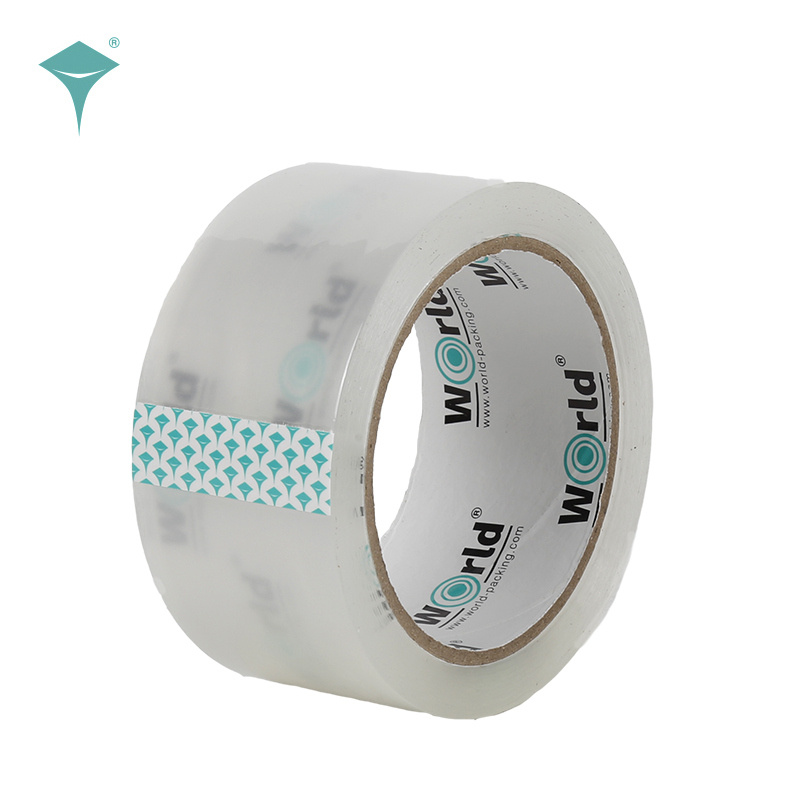
Packing tape is the most everyday choice. It usually uses oriented polypropylene (OPP) as its backing, is transparent or brown, waterproof, and strong, and is designed specifically for sealing cartons. The standard width is 48mm (2 inches), while 75mm is used for heavier loads. What makes this tape hold a carton so firmly is the pressure-sensitive adhesive (PSA)—pressure alone activates the bond, with no water or heat required.
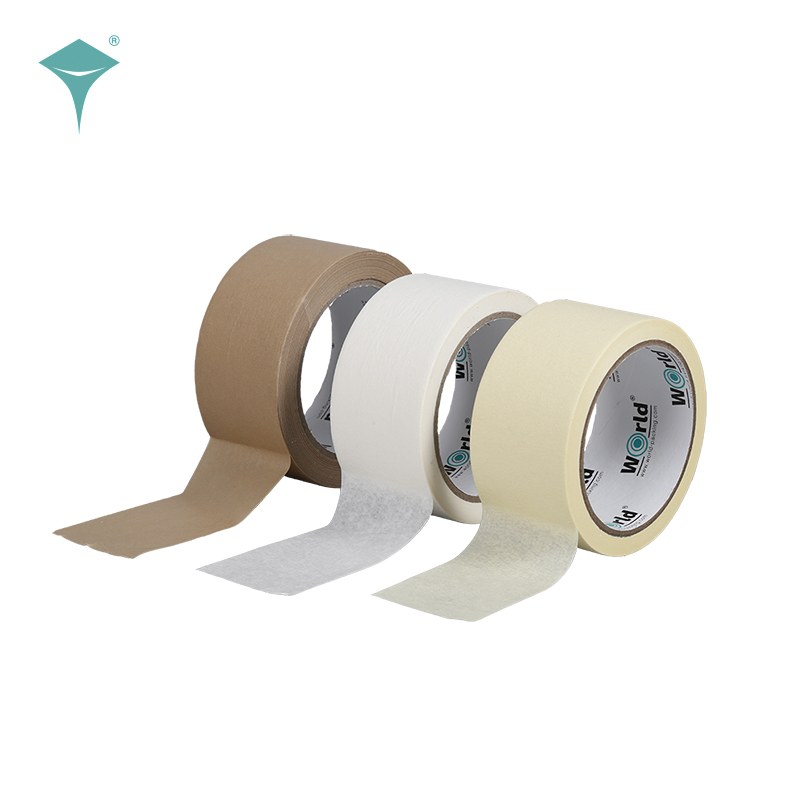
Masking tape takes a different path: paper backing, easy to tear, and it leaves almost no residue when removed. Its main battlefield is not carton sealing but paint masking, temporary labeling, and light bundling. Using masking tape to seal a shipping box is a classic case of using the wrong tool—its adhesion simply cannot withstand the rigors of transit.
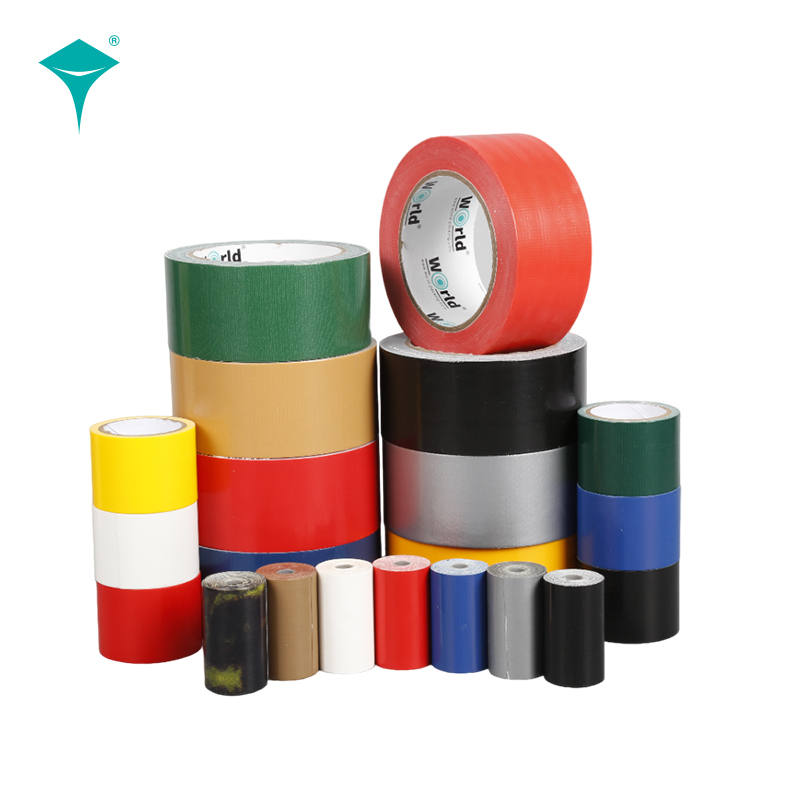
Duct tape is the “brute force” representative. Its fabric backing gives it extremely high tensile strength, water and weather resistance, making it suitable for temporary repairs, heavy-duty bundling, and outdoor fixing. However, its performance on cartons is actually inferior to packing tape—the adhesive does not bond well to cardboard and tends to leave residue.
Stretch Film: Pre-Stretch Is the Core
Stretch film is the dominant force in the secondary packaging market, accounting for about 44.8%, because it meets three needs at once: cargo stability, controllable cost, and operational flexibility.
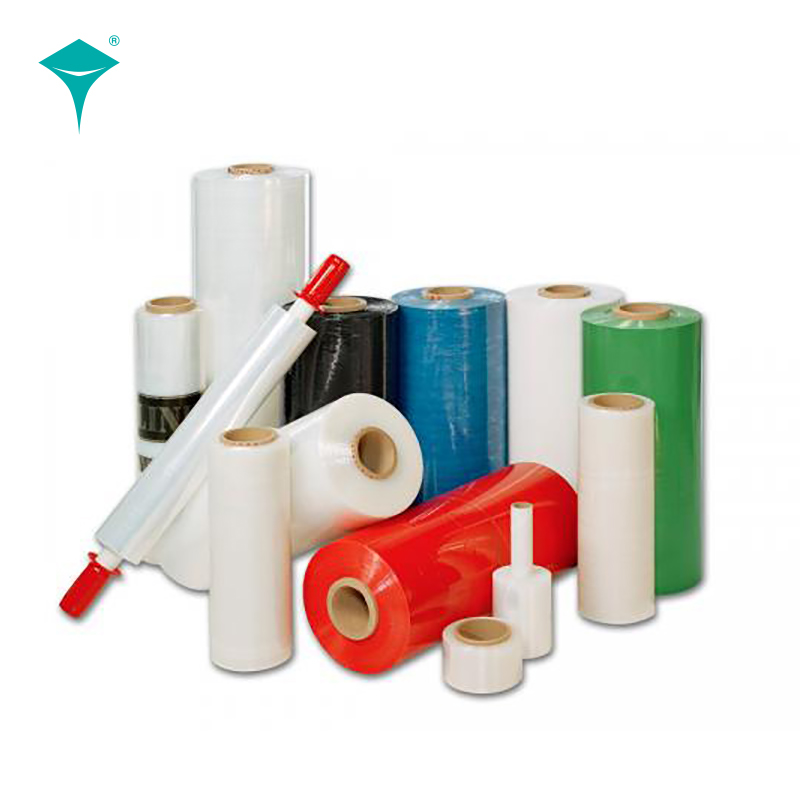
Its technical core is pre-stretch—the film is stretched by machine (typically 1.25:1 to 6:1) before being wound into the finished roll. This reduces waste, speeds up wrapping, and lowers operator effort. Most stretch film uses linear low-density polyethylene (LLDPE) for better puncture and tear resistance.
From Products to Systems
The industry has formed a complete chain from base materials to application systems. 3M (www.3m.com) started with adhesive technology and now covers everything from industrial tapes to protective materials. Intertape Polymer Group (www.itape.com) specializes in pressure-sensitive tapes and polyolefin films for industrial and retail packaging.
Understanding the difference between tape and stretch film is essentially understanding the two core propositions of packaging: fixing and protecting. Choosing the right tool matters more than “sticking firmly” itself.