

Invisible Stationery Tape: The Quiet Hero of Every Desk
There is a small roll sitting in your desk drawer right now. You probably do not think about it much. But when a page tears out of your notebook, when you need to seal an envelope without it looking like a craft project, or when a student needs to copy a math problem without rewriting the whole thing — that little roll becomes the most important thing on the desk. That is invisible stationery tape.
What makes it “invisible”?
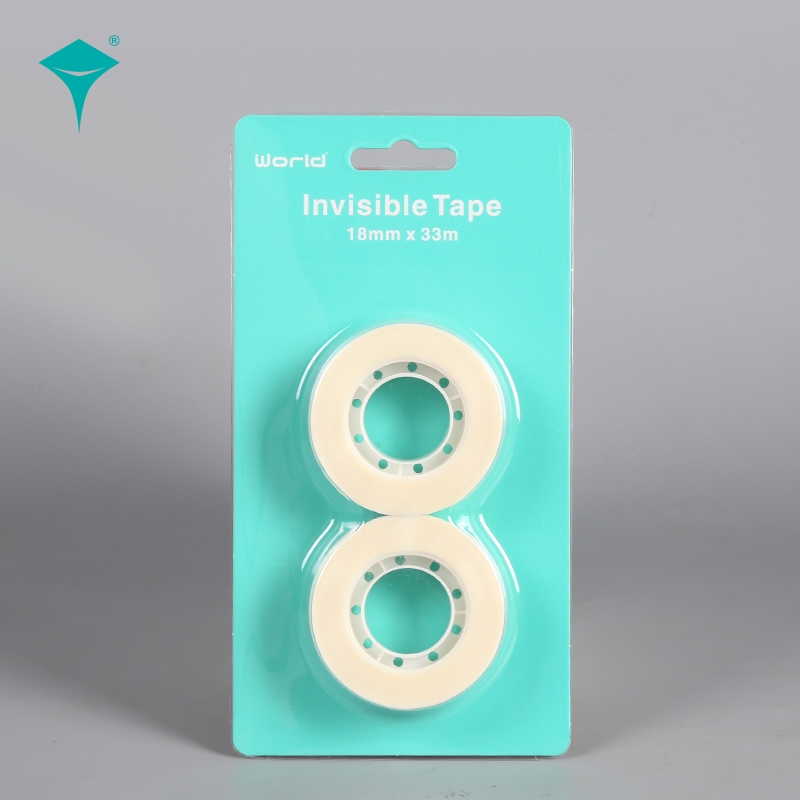
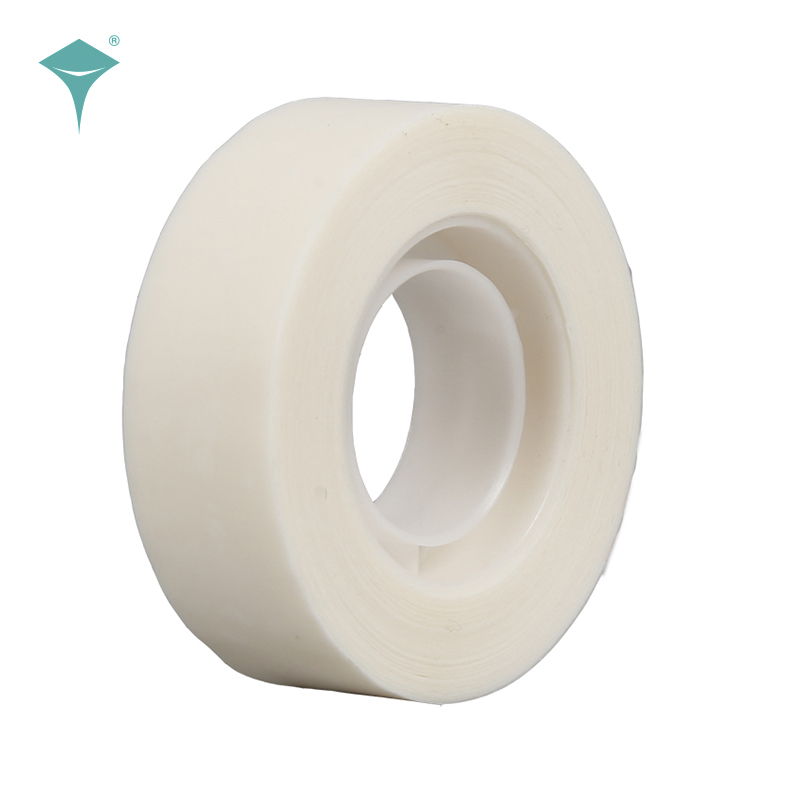
Unlike regular clear tape, which has a glossy, reflective surface that catches light and draws attention, invisible tape uses a matte finish on a cellulose-based film. When applied to paper, it blends into the background. You can write over it with a pen, pencil, or marker, and the ink sits on the surface the same way it would on bare paper. The tape does not yellow over time, and it does not leave a sticky residue when you peel it off — assuming you bought a decent one.
The adhesive layer is typically acrylic-based, which gives it a balanced tack: strong enough to hold paper together firmly, but not so aggressive that it damages the surface underneath when removed. This is what separates invisible tape from packing tape or masking tape — it is engineered specifically for paper.
Where it came from
The story of invisible tape starts in 1961. That year, engineers at 3M developed a matte-finish cellulose tape that virtually “disappeared” on white paper — a genuine technical breakthrough at the time. Before this, all transparent tapes had glossy surfaces that were bright and conspicuous on documents, making them unsuitable for repairing formal paperwork. 3M named the product Scotch® Magic™ Tape, model 810, and it quickly became an office staple.
Over sixty years later, Scotch Magic Tape 810 is still the benchmark that other invisible tapes are measured against. 3M’s global distribution put it in every office from Tokyo to Toronto. It is fair to say that 3M defined the category of “invisible tape” and shaped consumer expectations for what it should do: matte finish, writable, clean removal, non-yellowing over time. (3M / Scotch Brand official site)
Today, every invisible tape product on the market — regardless of brand size — is built on the same technical framework that 3M established: matte film substrate plus acrylic adhesive layer. The differences lie in substrate purity, adhesive formulation ratios, coating uniformity, and slitting precision. And it is precisely in these details that products from different manufacturers pull apart.
How people actually use it
In offices, invisible tape is used for repairing torn documents, sealing envelopes, attaching receipts to expense reports, and temporarily sticking notes to monitors or walls. In schools, students use it to patch up textbooks, label supplies, and — increasingly — to copy problems out of books by pressing the tape over the text, lifting it off, and pasting it down. Teachers use it to laminate small flashcards on a budget. At home, it fixes gift wrapping mishaps, holds together photo albums, and patches up torn book pages.
Technical specs that matter
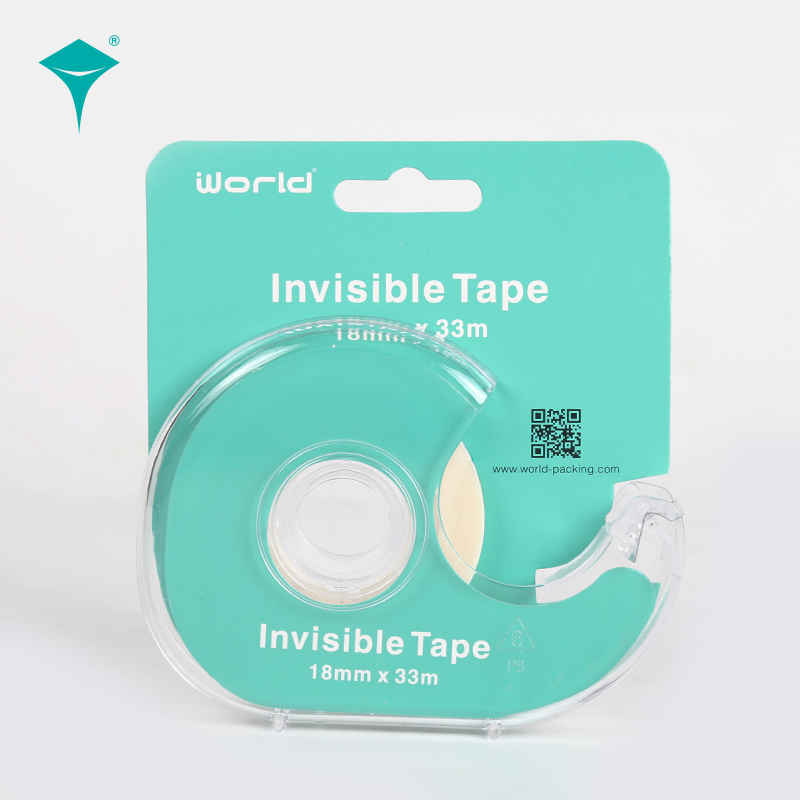
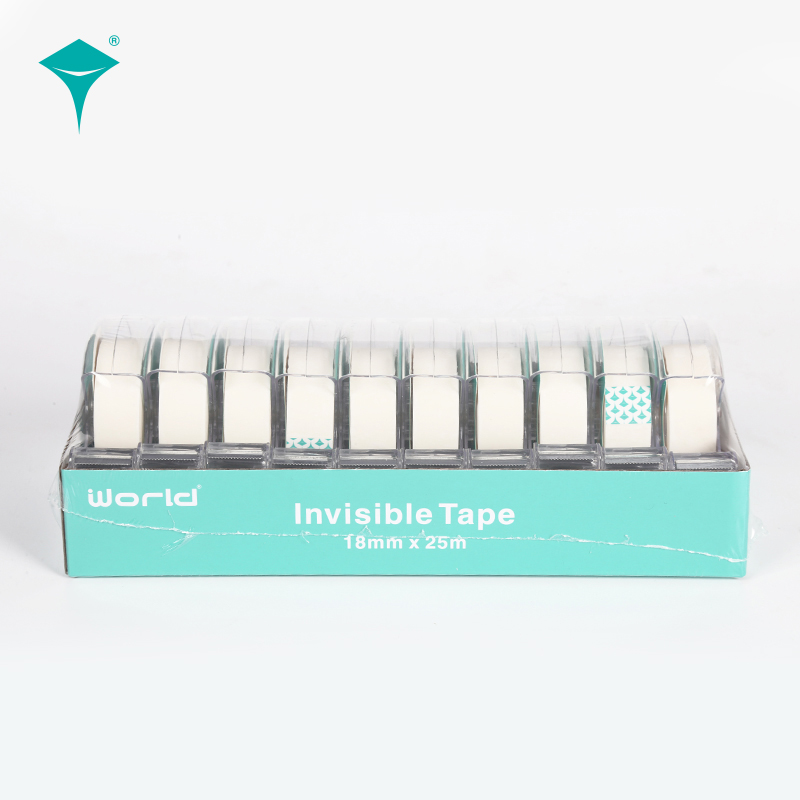
When evaluating invisible tape, look at these parameters: width (commonly 18mm or 19mm for stationery use), length per roll (typically 25–33m), thickness (around 38–50 microns), and core size (13mm or 25mm). The film material should be cellulose acetate or a similar matte-finish substrate — not BOPP, which is glossy and cannot be written on. Adhesive type should be water-based acrylic for clean removal.
Bottom line
Invisible tape is a low-cost, low-glamour product that nobody notices until they need it. Whether you are equipping an office, supplying a school, or packing for retail, the right invisible tape saves time, prevents frustration, and keeps documents looking clean. Pick a product with a proven formula — you cannot go wrong.